The ability to modify surface properties—making them water-repellent, release-friendly, or lubricious—makes alkoxy silicone fluid invaluable for surface treatment applications .
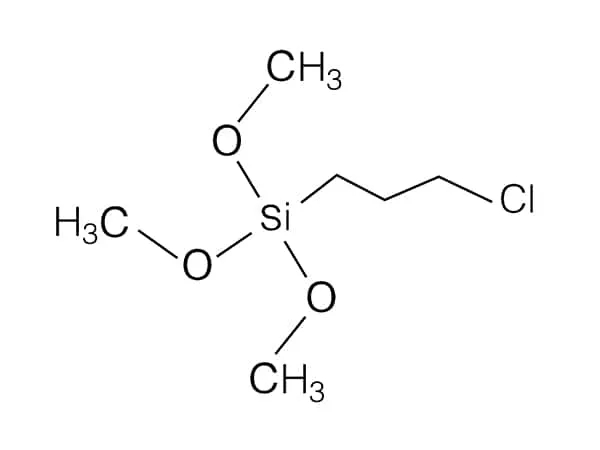
Mechanism of Action: The alkoxy groups hydrolyze in the presence of moisture or catalysts, forming silanol groups (Si-OH) that can bond to hydroxyl-bearing surfaces like glass, metal, or cellulose. This creates a permanent, covalently attached silicone layer that transforms surface properties .
Key Applications:
Water repellents: Treat concrete, masonry, and textiles to prevent water penetration while allowing vapor transmission
Mold release agents: Provide multiple-release performance in plastic and rubber molding operations
Leather treatment: Impart softness and water resistance to automotive and furniture leather
Textile lubricants: Reduce fiber-to-metal friction during high-speed weaving and knitting
Durability: Unlike simple hydrocarbon treatments, alkoxy silicone fluids create chemically bonded surfaces that withstand washing, abrasion, and weathering—providing long-term protection.
Copyright © 2026 by Qingdao Hengda Chemical New Material Co., Ltd. All Rights Reserved