The Chemistry Behind High-Strength Silicones
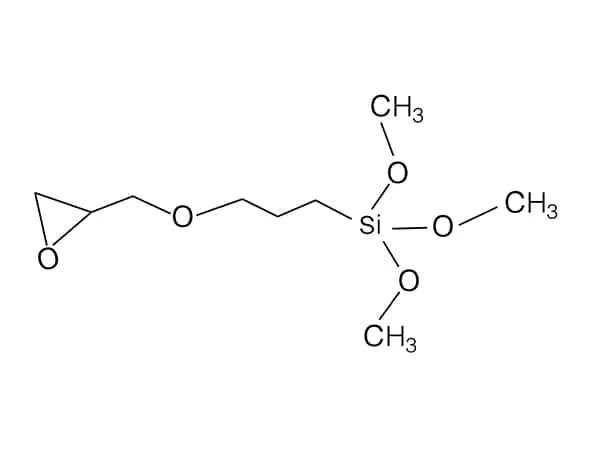
In the manufacture of addition-cure Liquid Silicone Rubber (LSR) and Heat-Cured Rubber (HCR), Methyl Hydrogen Silicone Fluid acts as a critical crosslinker. Its multiple Si-H bonds participate in a platinum-catalyzed hydrosilylation reaction with vinyl groups attached to the polysiloxane backbone.
The stoichiometric ratio of Si-H to Si-Vinyl groups directly dictates the crosslink density, which in turn controls key mechanical properties such as tensile strength, elongation at break, and tear resistance. Optimized formulations using MHSF enable the production of elastomers with tensile strengths above 10 MPa and elongation exceeding 500%. Its efficiency and the stability of the resulting Si-C bonds make it indispensable for producing medical-grade, automotive, and infant care products that demand high purity and thermal stability.
Copyright © 2025 by Qingdao Hengda Chemical New Material Co., Ltd. All Rights Reserved