
In-Depth Hydrophobization of Porous Substrates
In construction materials, PVMS provides a more durable and penetrating water repellency compared to non-reactive silicones. Applied as a solution to concrete, masonry, or sandstone, it penetrates deeply into the pore structure. Upon exposure to atmospheric moisture and a catalyst, the fluid undergoes two simultaneous reactions:
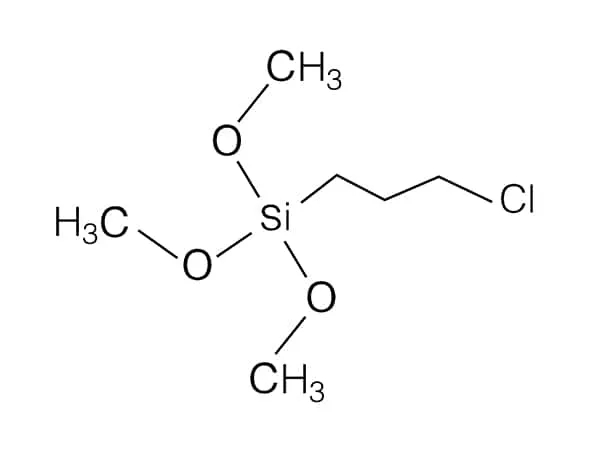
The siloxane bonds hydrolyze and condense with surface silanols, anchoring the treatment to the substrate.
The pendant vinyl groups can co-crosslink, forming an internal, robust silicone resin network within the capillaries.
This dual-action mechanism creates a long-lasting, "breathable" hydrophobic barrier that:
Reduces Water Absorption by >95%: Effectively protects against freeze-thaw spalling and salt degradation.
Resists Alcohol Washing: The crosslinked network is not easily removed by solvents, unlike simple silane treatments.
Maintains Vapor Permeability: Allows trapped moisture to escape, preserving the structural integrity of the substrate.
Copyright © 2026 by Qingdao Hengda Chemical New Material Co., Ltd. All Rights Reserved